Next Agriculture: Nature, PeopleNext agriculture: Communities for the common good
Multiple layers of coexistence
Multiple layers of coexistence
Conventional agriculture, in its many variations, is based on spatial and temporal separation, monoculture, exploitation of soils and resources, and massive external inputs. However, this is not sustainable in any way: changing the paradigm is necessary.
The ambition of the ‘Next Agriculture’ project lies in its proposed approach and method of work: achieving significant agricultural production through biodiversity, not against it. Imagining, researching, testing, complex communities of plants that grow together, stratified in space, based on rigorous scientific criteria, aimed at the virtuous and balanced cooperation of plants, resources (light, water, soil, nutrients), technologies, and people. To develop models and modules that, varying according to external conditions, can meet strict criteria of stability, functionality, manageability, food production, and well-being.
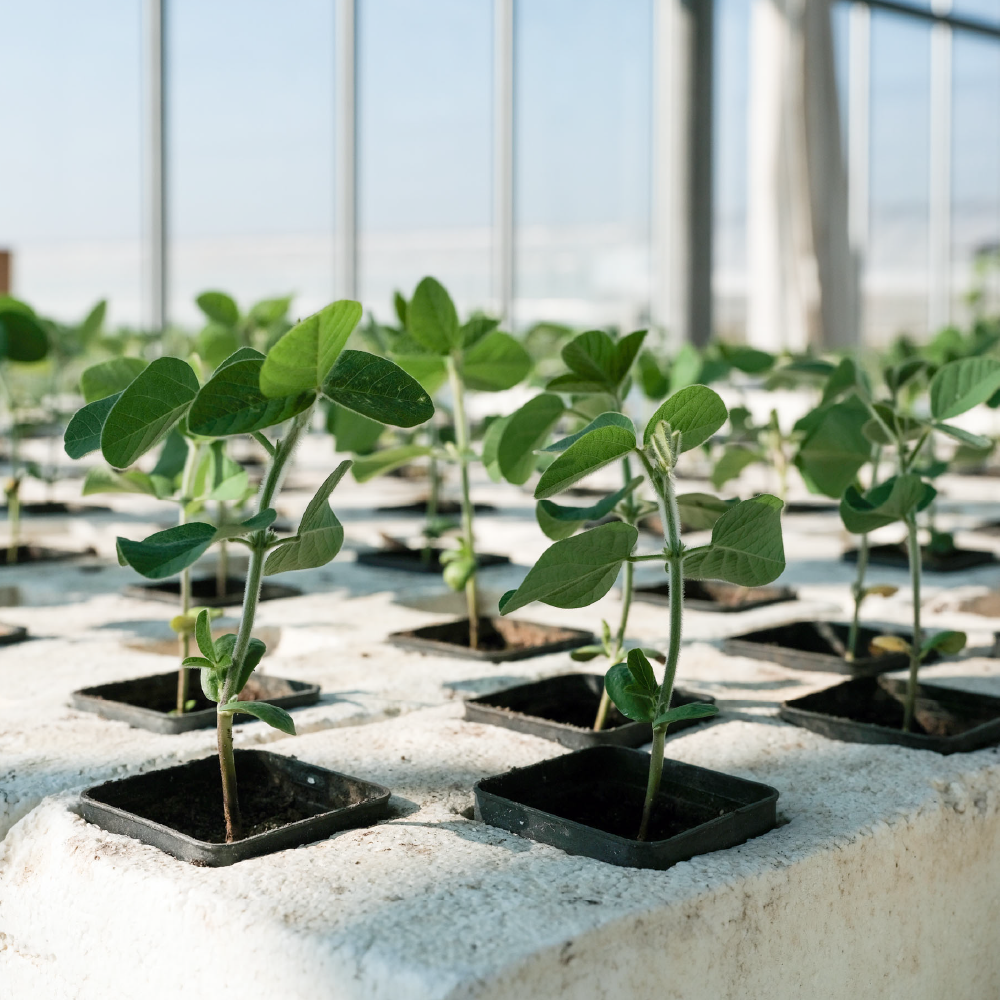
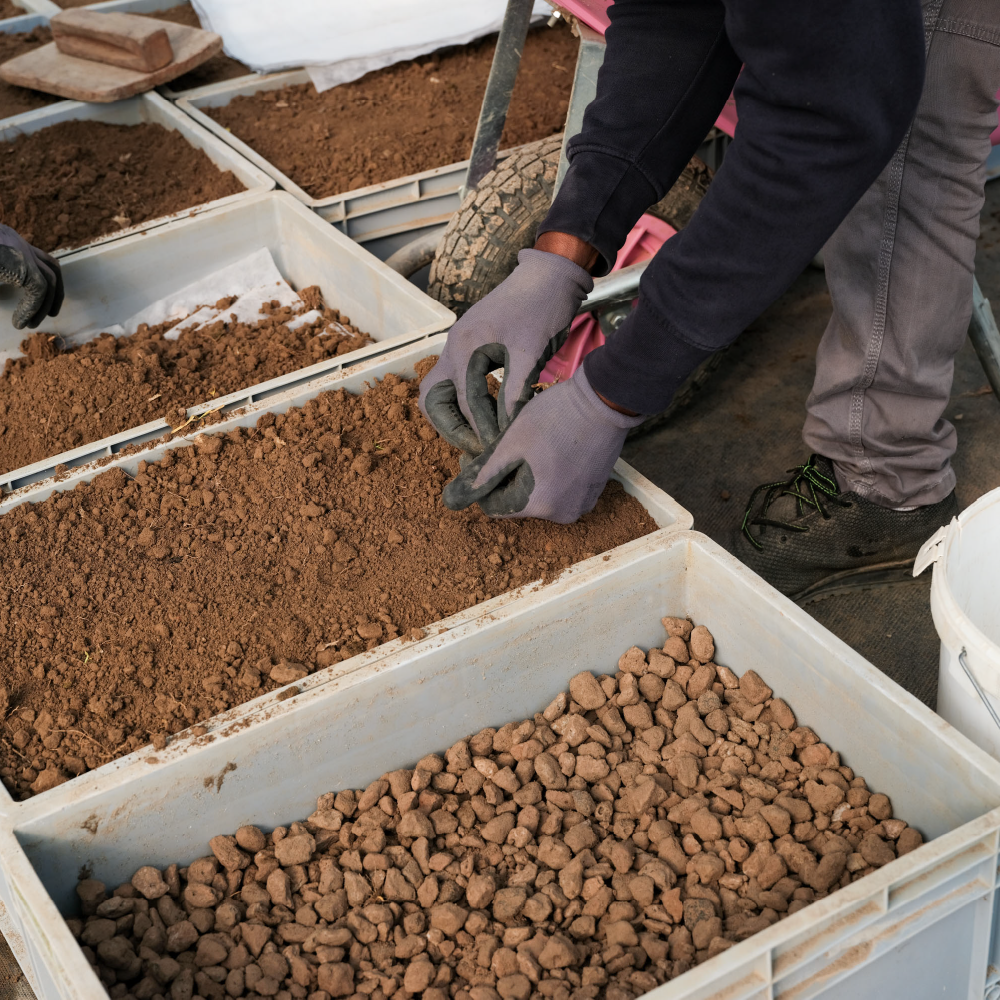
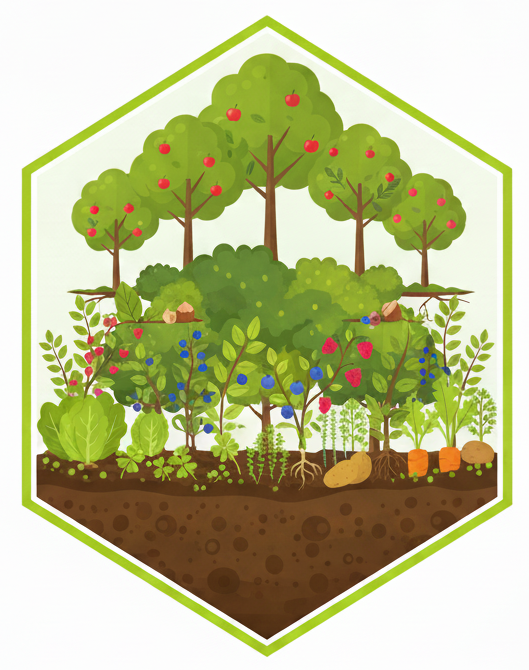
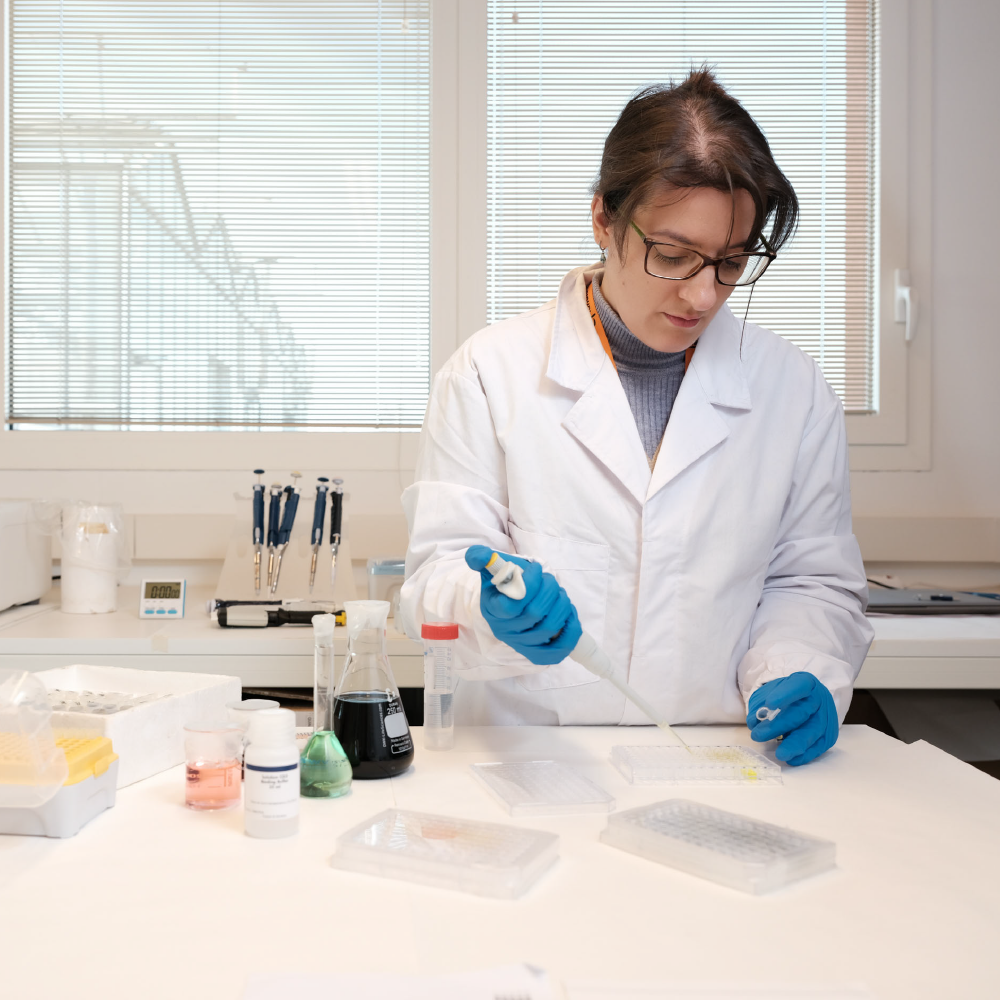
With the “Next Agriculture” project, Mukuyu aims, very ambitiously, to venture into largely unexplored territories, namely towards a substantial paradigm shift in agricultural production and environmental systems. A substantial paradigm shift made possible by the tremendous progress and development of agronomic and biotechnological sciences, applied technologies, and therefore with scientific rigour.
This is not about adjusting, assembling, or reducing the impact of cultivation techniques already known but often applied individually, depending on economic interests. Rather, it is about imagining, designing, and walking from historically established models toward new models that tackle the complexity of primary interactions. Models in which the approach is based on complex plant systems instead of monocultures, and is bio-centric, meaning respectful of all elements involved (nature, resources, minerals, humans). All this is an extended application of what is briefly expressed in Mukuyu’s manifesto: Earth is for all, not (a) mine. Next Agriculture recognizes and includes in the definition of ‘primary’ a complex set of goods and services which are interconnected, interdependent, and indispensable for survival.
Therefore, Next Agriculture aims to generate a matrix of quantifiable goods and services, not a single product.

The credibility of this purpose can only be based on objectives, whether qualitative or quantitative, that are strictly measurable. Therefore, we consider objectives that help describe all the parameters involved and are consistent with the aims of the project.
These belong to different categories. The most common and widely used are those conventionally measured in research applied to agriculture, namely the qualitative and quantitative parameters of crops, such as productivity, technological qualities (colour, flavour, proteins, sugars, metabolites relevant to diet, storability, suitability for subsequent processing) of the harvests. Recently, efficiency in the use of water and nutrient resources has also been added.
Alongside these, other parameters are emerging, such as the impact on the soil microbiome and the energy efficiency of the production process. Next Agriculture, however, aims to look further, since the models to be generated will not respond to current methodologies and will therefore require parameterisations other than conventional ones, which will still be used, such as: stability of the communities, improvement of the general conditions of the soil, level and long-term sustainability of external inputs, effects on the floral system, on the climate, and on the quality of the outgoing water. In other words, unlike conventional agriculture, the scope will expand beyond the limited area of experimentation/cultivation to include the entire surrounding system.
This leads us to consider the models developed by Next Agriculture as “producers” not only of food goods, but also of a diverse and broad range of environmental effects that must be appropriately measured and valued.
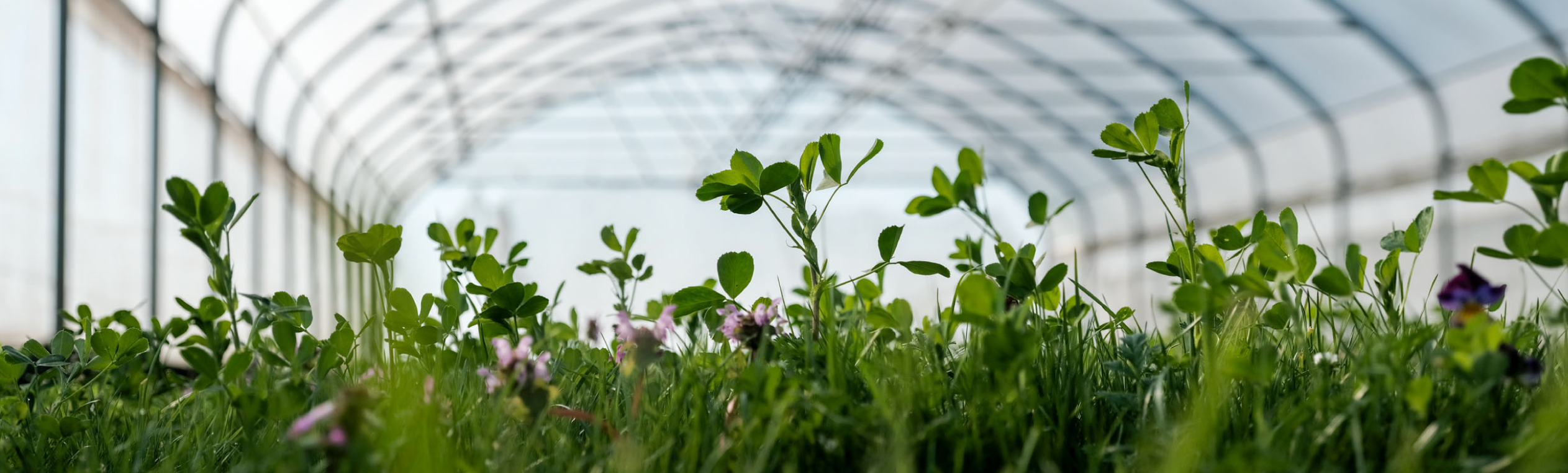
Next Agriculture is founded on the rigour of the scientific method, namely on the formulation of hypotheses – stability and functionality of complex systems for the production of food/wellbeing – and their validation through experimentation in different environments, not only pedo-climatic but also socio-cultural.
Science here refers to “conventional” science – academia – blended with science and art constituted by accumulated experience (which does not follow/use the same codes as academia). This will occur through cooperation and close dialogue, starting from the design phase, among the different levels of those who study, develop, and use: the so-called living labs. These levels are currently separated, responding to frozen hierarchies, in their positions out of convenience. However, they can yield more stable results if intrinsically interconnected.
Particular emphasis will be given to the involvement of stakeholders at all levels of the Food Value Chain: from those who produce agricultural means, materials, new technologies, plants, to those who assemble them (the farmer in the broad sense), to those who process the production when necessary, to distribution, and finally those who “use” the final output of environmental and agricultural productions: the so-called end-users, inappropriately also defined as “consumers,” whether individuals or concentrated entities (catering).
Foundational elements are therefore the identification of the conditions under which experiments occur, their monitoring, the measurement of all parameters that may contribute to describing the phenomena designed and implemented, as well as the collection and processing of the information and data necessary to discard any hypotheses not supported by evidence, but crucial instead to provide solidity, repeatability, and transferability to the positive models developed.
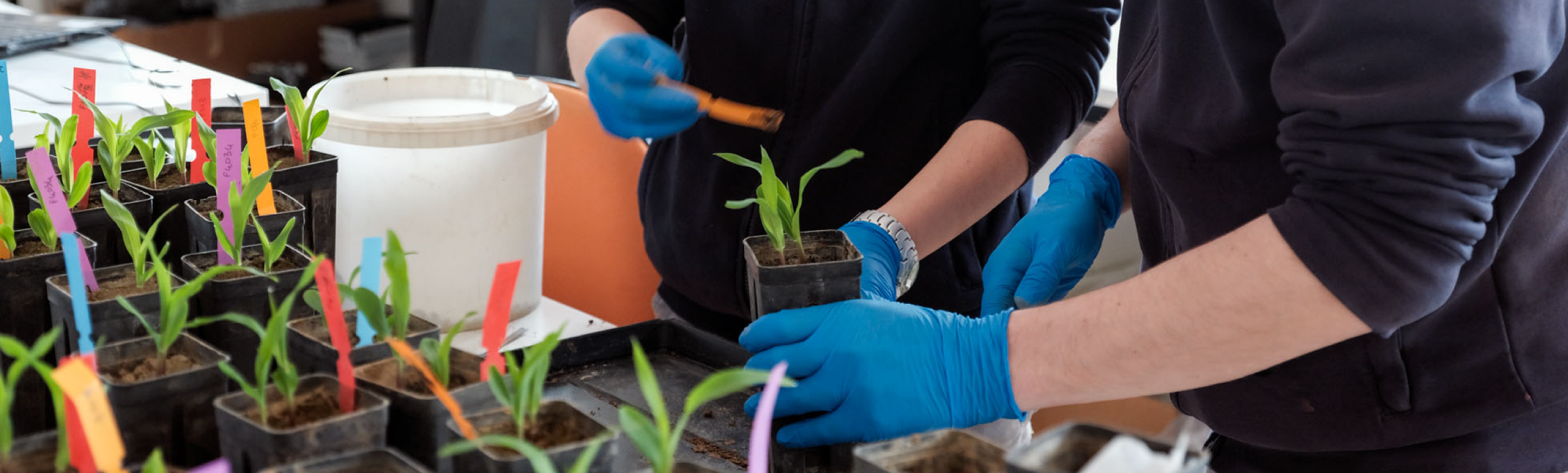
The ultimate goal of Next Agriculture is the expansion of models, in various forms, from the experimental scale to a large scale, that of extensive agriculture, since the application of Next Agriculture modules on a territorial scale would allow for the assembly of a flexible agro-ecological infrastructure, capable of agricultural production at different speeds (slow and fast cycles), with beneficial effects for the environment and the microclimate.
But where to start for this ambitious challenge? Ma da dove partire per questa sfida alta. The areas that would benefit most from the experimentation of Next Agriculture are those found in the interstices of the ‘diffused city’, on the edges of settlements, and in abandoned and derelict zones. The re-naturalisation and reuse of areas near citizens for food purposes would demonstrate in practice that Next Agriculture is a concrete possibility able to improve the quality of life and living in residential areas, creating pleasant and healthy spaces even right at home. It would also lend itself to social collaboration initiatives, reducing tensions and conflicts, and creating recreational and educational opportunities, as well as raising awareness about environmental respect.
Bringing food production closer to where people live offers numerous opportunities for fruitful exchanges for both citizens and farmers, including collaborative volunteering initiatives, added value to nearby agricultural production, and supplies directed to neighbourhood markets.

Privacy Settings
This website uses cookies to improve your experience while you navigate through the website.


